5 Things I Want Every Woman to Know After Our Atlanta Screening of The M Factor 2: Before the Pause
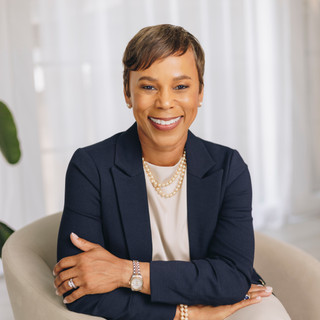
On February 7, 2026, we gathered at the Tara Theater in Atlanta for a community screening of The M Factor 2: Before the Pause — a groundbreaking documentary that goes deep into the years before menopause, when hormones begin their long shift and most women have no idea what is happening to them. After the film, I joined a panel discussion alongside executive producer Denise Pines and the Reverend Natosha Reid Rice, moderated by award-winning NPR journalist Rose Scott — and the conversation that followed was one of the most honest and necessary I've been part of in a long time.
1. Perimenopause can start in your late 30s — and your doctor may not have told you yet.
This was one of the most eye-opening moments in the film for many women in that room. Perimenopause does not begin at 50. It can start in your mid-to-late 30s and last up to a decade. A decade. That means the brain fog, the restless nights, the mood shifts, the weight that won't budge, the anxiety that came out of nowhere — all of it could have started years before you ever heard the word perimenopause.
If your doctor hasn't brought this up yet, that is not your fault. The medical field has a real gap when it comes to perimenopause education, and far too many women are being dismissed or told their labs are "normal" when what they need is a real conversation about what is happening in their bodies. You deserve that conversation. Go ask for it.
2. What you're feeling is real(!)
One of the most powerful threads running through this film was validation. Woman after woman described feeling "not like herself." Forgetting words. Lying awake at 3 AM. Snapping at people she loves. One woman in the film shared that her memory lapses were so severe she feared she was developing early dementia — and she was actually in perimenopause.
Your brain is in transition just as much as your ovaries are. Estrogen receptors exist throughout your entire body — in your brain, your joints, your skin, your heart, your gut. When estrogen fluctuates, every one of those systems feels it. Brain fog, sleep disruption, anxiety, joint pain, skin changes — these are hormonal signals. They have a name. And they are treatable.
3. Your heart health and bone health need your attention right now.
Heart disease is the number one killer of women, and the hormonal shifts of perimenopause directly affect cardiovascular risk. Bone density begins declining during perimenopause too — years before most women think to worry about it.
The decisions you make today — about movement, nutrition, sleep, stress, and yes, potentially hormone therapy — are decisions for the woman you will be at 70 and 80. Your 80-year-old self will thank you for paying attention right now. Getting ahead of what we know is coming gives your body the best possible foundation. If your provider isn't talking to you about heart health and bone health as part of your perimenopause care, bring it up at your next visit.
4. The silence around perimenopause is a system problem — and you have the right to demand better.
The film does not let the medical system off the hook, and neither will I. For decades, women have been undertreated, under-researched, and underestimated when it comes to midlife health. There is a well-documented lack of formal training on perimenopause and menopause in medical education. Lingering fears from a flawed 2002 study left millions of women without hormone therapy options that were actually safe and appropriate for them.
We are in the middle of a women's health revolution and this film is part of it. Track your symptoms. Write them down before your appointments. Ask questions. Find a provider who takes your experience seriously. Seek a second opinion if you need one. You are allowed to ask for more.
5. Movement and muscle are medicine — and the time to start is now.
The film made a strong case for physical activity as one of the most important tools women have during perimenopause and beyond. Building and maintaining muscle protects your bones, supports your metabolism, and reduces your risk of the falls and fractures that become a serious health threat after 50. Hip fractures alone can shorten life expectancy significantly — and most are preventable.
The women featured in the film — teachers, firefighters, doctors — showed what it looks like to stay strong through this transition. Whatever movement looks like for you, the message from the experts in this film was clear: the work you put into your body in your 30s, 40s, and 50s pays dividends for the rest of your life. Start where you are, and keep going.
Comments